
by Flavin & Flavin Realty, Inc. | Apr 8, 2025 | For Sellers
Pricing an item is one of the most important aspects of selling, whether you’re using an online marketplace, hosting a garage sale, or listing a product in a retail shop. The right asking price can significantly affect the success of your sale. Setting the ideal price involves a balance between attracting buyers and ensuring you receive fair value for your item. Here’s a comprehensive guide on what sellers need to know about their asking price to make smart, competitive pricing decisions.
1. Know Your Market Before Setting Your Asking Price
One of the most important things you need to know about your asking price is the market you’re selling in. Market research is critical. Look at what similar items are being sold for. Focus on the item’s brand, condition, features, and rarity. Research on platforms like eBay, Craigslist, and specialized marketplaces can help you determine competitive prices for your product.
Tip: Understand demand—items in high demand can be priced higher, while less popular items might need a lower price to attract attention.
2. Consider Your Costs and Perceived Value of the Item
Many sellers base their price on what they paid for an item, but pricing should consider more than just cost. Factor in shipping fees, platform fees, and any other related costs when deciding on your asking price. Don’t forget about the perceived value of your item—buyers may see the worth differently based on its condition, brand, and usefulness.
Tip: Even if you purchased the item for a lower price, if it’s in excellent condition or holds some special appeal, you can set a higher asking price based on its perceived value.
3. Avoid Overpricing Your Items
Overpricing is one of the biggest mistakes sellers can make. While you may want to get top dollar for your item, asking too much can scare off potential buyers. High asking prices can cause your listing to linger, leading to fewer offers and possibly a lower price in the long run.
Tip: Start by setting a competitive price that aligns with similar items. If there’s little interest, consider lowering your price gradually until you hit the right balance.
4. Don’t Price Too Low—You Might Be Underselling
While pricing low may seem like an easy way to make a quick sale, you risk undervaluing your item. Pricing too low could lead to a fast sale, but it might also mean you’re leaving money on the table. A low price might also make buyers question the quality or authenticity of the item.
Tip: Research the value of similar items before pricing. If the market rate is higher than your initial price, you can adjust upward.
5. Use Psychological Pricing to Your Advantage
Psychological pricing strategies, such as pricing an item at $9.99 instead of $10, can make a big difference in how buyers perceive the price. This small difference makes the item appear more affordable, even though the actual price difference is minimal.
Tip: Utilize pricing strategies like $9.99 or $49.95 to make your price seem more attractive, encouraging potential buyers to click or make an offer.
6. Be Ready for Negotiation
Many buyers expect to negotiate. Whether you’re selling on an online marketplace or locally, having room for negotiation in your asking price is important. While some sellers price their items higher for room to negotiate, others might offer a firm price. Know your lowest acceptable price before entering negotiations.
Tip: Consider pricing your item slightly higher than what you’re willing to accept. This gives you flexibility for negotiations and can lead to a better final price.
7. Include Shipping Costs in Your Asking Price
Shipping costs can impact the overall price of an item. Buyers tend to appreciate free shipping, but this will need to be factored into your price. Similarly, if you are charging for shipping, make sure that it is reasonable and competitive within the market.
Tip: Consider offering free shipping, especially if your competitors are doing so. If you charge for shipping, ensure the cost is clear and reasonable.
8. Account for Condition and Rarity
The condition of your item plays a significant role in its price. A well-maintained or brand-new item can justify a higher asking price, while an older or used item may need to be priced lower. For rare, collectible, or vintage items, buyers may be willing to pay a premium, especially if they are in great condition.
Tip: Be honest about the item’s condition and provide clear descriptions or pictures. Transparency builds trust with buyers and minimizes the chances of disputes or returns.
9. Keep an Eye on Market Trends
Prices for certain items can fluctuate depending on trends or seasons. For example, demand for winter coats is higher in colder months, while outdoor gear might see more buyers in spring and summer. Keeping track of these trends will allow you to adjust your pricing to stay competitive.
Tip: Adjust your asking price depending on seasonality, current trends, or any external factors influencing buyer behavior.
10. Timing Your Listing Can Make a Difference
The timing of your listing can directly impact how quickly your item sells. Some items sell better at specific times of the year, like back-to-school supplies or holiday decorations. Being strategic about when you list your item can help you attract more buyers.
Tip: If you’re selling seasonal items, list them ahead of the season’s peak demand. If you’re not in a rush, consider waiting for a time when demand for your item is higher.

by Flavin & Flavin Realty, Inc. | Mar 31, 2025 | For Buyers, For Sellers
As the weather warms up, the spring housing market kicks into high gear, creating an exciting opportunity for both homebuyers and sellers. If you’re considering buying or selling a home this season, it’s essential to understand the key trends that define the spring market. In this article, we’ll explore what you can expect from the spring housing market and how to make the most of these changes.
1. Increased Inventory in the Spring Housing Market
Spring is one of the best times to buy a home, thanks to the increase in inventory. More homeowners choose to list their properties as the weather improves, gardens bloom, and families prepare to move before the new school year begins. This boost in available homes offers buyers a wider selection, making it easier to find your dream home. For sellers, this is the perfect opportunity to capitalize on the increased demand. However, with more competition, it’s important for sellers to price their homes competitively and for buyers to act quickly.
Pro Tip: Buyers should start their home search early in spring to have the best selection of homes. Sellers, on the other hand, should prepare their homes to stand out in a crowded market.
2. Rising Home Prices in Spring
One of the key trends in the spring housing market is rising home prices. With more buyers entering the market and limited inventory in some areas, demand often outweighs supply, leading to higher prices. Multiple offer situations become more common, driving up the final sale price. If you’re a seller, spring is an excellent time to list your home for a potential price increase. Buyers, however, may need to adjust their expectations and be prepared for competitive pricing in desirable neighborhoods.
Tip for Buyers: Work with a real estate agent to identify pricing trends in your area and be ready to negotiate if the asking price is higher than expected.
3. More Competition Among Homebuyers
Spring is the season when most buyers begin their home search. Whether it’s because they want to move before the summer or need to settle before the school year starts, more buyers flock to the market. This increased competition can lead to bidding wars for popular homes. As a buyer, this means you’ll need to act fast, make competitive offers, and possibly even bid above the asking price. For sellers, it’s a prime time to take advantage of this surge in demand.
Buyer Tip: To stand out in a competitive market, get pre-approved for a mortgage and be ready to make a strong offer when you find the right home.
4. Potential for Favorable Mortgage Interest Rates
While mortgage rates can fluctuate, spring is often a time when interest rates remain relatively low compared to historical averages. If you’re a buyer, this could mean lower monthly payments and more purchasing power. However, it’s important to monitor the market, as the Federal Reserve could raise interest rates, impacting your mortgage rate. If you lock in a favorable rate early, you could save a significant amount of money over the life of your loan.
Tip for Buyers: Shop around for the best mortgage rates and consider locking in a rate if you find one that suits your budget. Even a small difference in interest rates can make a big impact on your long-term payments.
Conclusion
The spring housing market is one of the most active times of the year, and it comes with key trends that buyers and sellers should be prepared for. From increased inventory and rising prices to more competition and potentially favorable interest rates, understanding what to expect can help you navigate the market successfully. Whether you’re looking to buy or sell, this spring could be the perfect time to make a move in the real estate market. Stay informed, plan ahead, and work with a trusted real estate professional to make the most of this dynamic season.

by Flavin & Flavin Realty, Inc. | Mar 24, 2025 | For Sellers
In today’s competitive real estate market, sellers are seeking ways to stand out and sell quickly. One effective strategy is a pre-listing inspection. While it may seem like an added expense, a pre-listing inspection offers several benefits that can help you sell faster and at a better price. Here’s why it could be worth considering.
What is a Pre-Listing Inspection?
A pre-listing inspection is a home inspection done before your property hits the market. A certified inspector checks the condition of the home and identifies any issues that may need fixing. This report can guide your decisions and help you price your home accurately.
Key Benefits of a Pre-Listing Inspection
1. Accurate Pricing
With a clear understanding of your home’s condition, you can price it more accurately, avoiding overpricing or underpricing.
2. Builds Buyer Confidence
Buyers are more likely to make offers on homes that have already been inspected. This transparency can lead to faster decisions and fewer delays.
3. Faster Closing
Addressing repairs upfront leads to fewer negotiations and potential delays during closing, making the process quicker and smoother.
4. Avoid Price Negotiations
If buyers discover issues during their own inspection, they may ask for price reductions or repairs. A pre-listing inspection helps you avoid these surprises.
5. Improved Negotiation Leverage
Fixing issues ahead of time can give you more power in negotiations, helping you maintain your asking price.
6. Reduces Deal Risks
A pre-inspection minimizes the chances of a sale falling through due to unexpected issues discovered later on.
What’s Covered in a Pre-Listing Inspection?
A pre-listing inspection typically checks:
- Structural Integrity: Foundation, roof, and walls
- Plumbing & Electrical: Functionality and safety
- HVAC & Appliances: Condition and performance
- Exterior/Interior: Windows, doors, and overall condition
Should You Get One?
While the cost of a pre-listing inspection (around $300-$600) can be an investment, the benefits of setting the right price, avoiding surprises, and closing quickly often outweigh the expense. It’s particularly useful in a competitive market, but may not be necessary if your home is newly renovated or in a hot seller’s market.
Conclusion
A pre-listing inspection can provide significant advantages, helping you sell your home faster, with fewer complications, and at a fair price. If you’re considering selling, a pre-listing inspection could be a smart move to streamline the process and increase your chances of success.

by Flavin & Flavin Realty, Inc. | Jan 22, 2025 | Agent Value, For Sellers
If your goal is to sell your house in 2025, now’s the time to start prepping. Even though it might seem like there’s plenty of time between now and the new year, you should get a head start on any updates or repairs you want to make now. As Danielle Hale, Chief Economist at Realtor.com, says:
“ . . . now is the time to start thinking about what you need for your next home and then taking those steps to prepare to list . . . We have survey data that says 47 percent of sellers are taking longer than a month to get their home ready to sell, so getting them to start that process early can mean more flexibility.”
By starting your prep work early, you’ll give yourself plenty of time to get your house market-ready by the end of the year. But be sure to partner with a great agent before you get started, so you have expert insight into what repairs are worth it based on your local market.
Why Starting Early Is Key
To get the best price and sell quickly, it’s important that your home looks its best. And that means it’s up to you to make the necessary repairs, declutter, and even consider updates that could add value as part of getting your house ready to list.
By starting now, you can tackle things one task at a time. Whether it’s fixing that leaky faucet, refreshing your landscaping, or painting a room, getting an early start gives you the flexibility to do the job right and with as little stress as possible. Because, if you wait to knock items off your list later on, they could quickly stack up and get overwhelming. As Realtor.com explains:
“There are some important repairs to make before selling a house, so don’t be in too much of a hurry to get your home listed … if you move too fast, buyers see right through the fact that you skipped important home renovations. And this . . . might end up costing you time and money.”
What Should You Focus On?
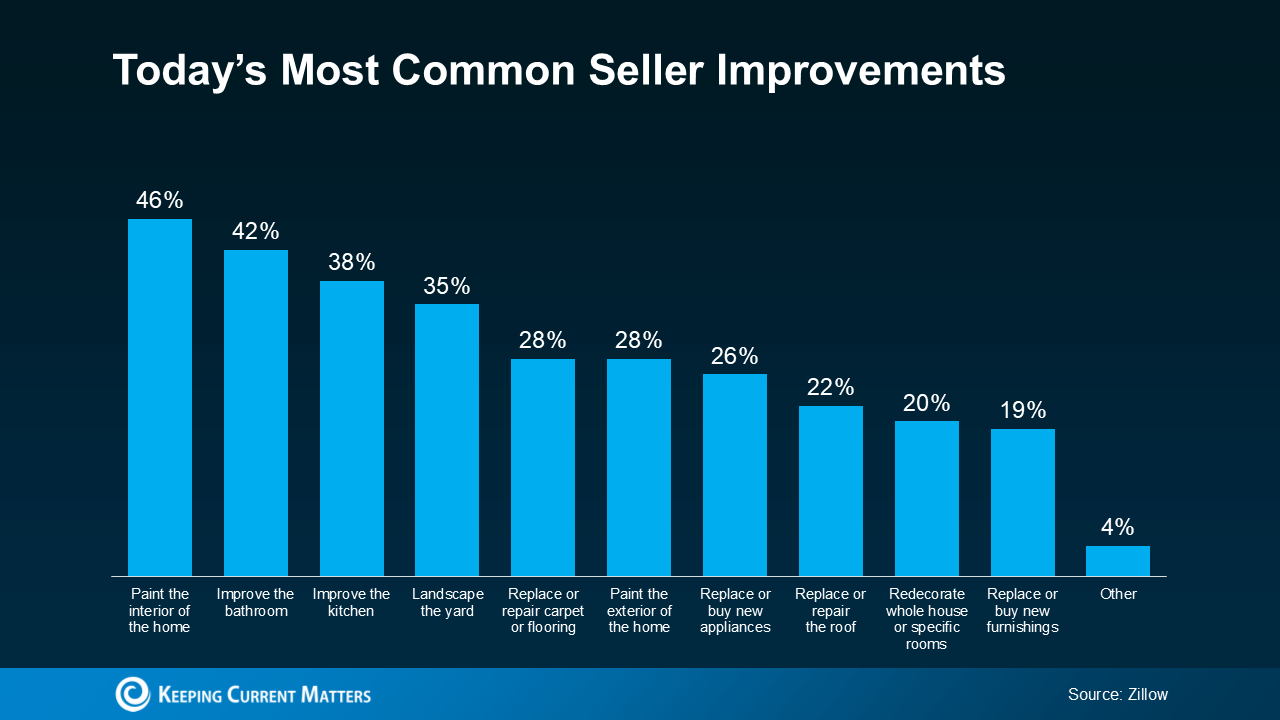
Feeling motivated to start chipping away at that to-do list, but not sure where to start? Here’s a look at the most common improvements other sellers are making today (see graph below):
 The Importance of Working with a Local Agent
And while that data gives you a starting point, it shouldn’t be seen as a comprehensive list. What buyers want in your area may be different, and only a local agent will have this in-depth understanding.
For example, if homes in your area are selling quickly with updated kitchens, your agent might suggest focusing on minor kitchen improvements rather than spending money on other areas that won’t offer as much return. They’ll also help you figure out if tackling larger projects, such as replacing your roof or upgrading your HVAC system, is worth it based on other recently sold homes. As Point says:
“Not all renovations are created equal, and focusing on upgrades that offer the highest potential for increasing your home’s value is key.”
And remember, it’s not just big-ticket items that can have an impact. Your agent will also speak to some of the smaller details – like cleaning up your yard, adding fresh mulch, or painting your front door – to make a real difference in how buyers feel about your home. This type of expert eye is crucial to help your house sell fast and for top dollar.
Bottom Line
Thinking of selling your house next year? Don’t wait until the last minute to get it ready. By getting a head start now, you can ensure everything is in place by the time the new year rolls around.
Need advice on what to tackle first? Connect with a local agent.
